
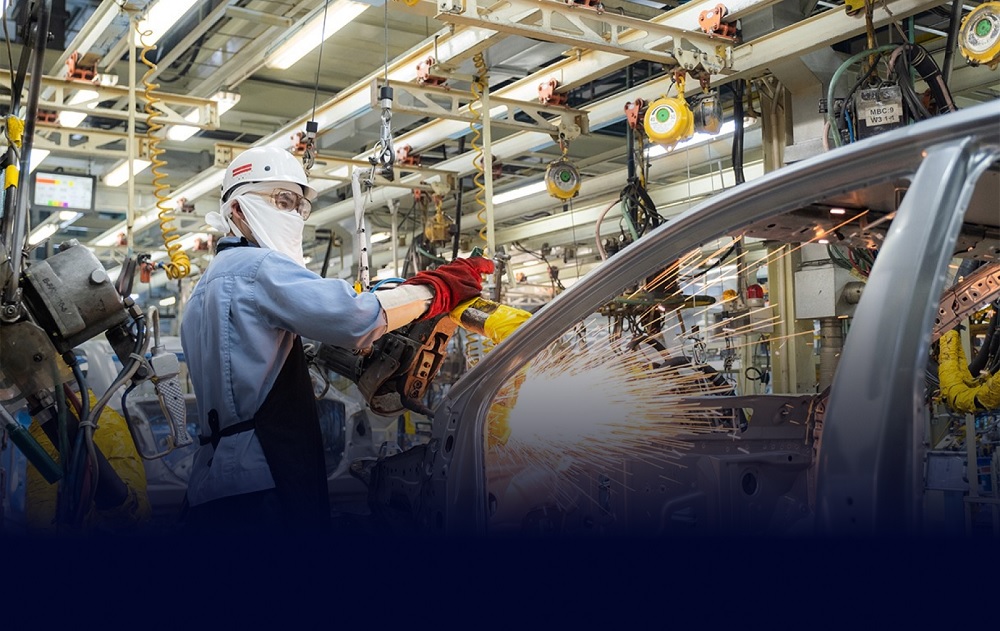
The term industry represents the backbone of the global economy. It encompasses the vast network of production, innovation, and labor that fuels progress and sustains societies. In today’s dynamic environment, industry is no longer confined to factories or assembly lines—it extends into technology, energy, healthcare, agriculture, and countless other domains. Understanding how industries operate, evolve, and adapt to changing trends is vital for policymakers, entrepreneurs, and professionals alike.
What Defines an Industry in the Modern Economy
At its core, an industry refers to a collection of businesses or organizations engaged in the same type of commercial activity. Traditionally, industries were classified under primary (extraction of raw materials), secondary (manufacturing and processing), and tertiary (services) sectors. However, in the digital age, this classification has expanded to include quaternary and quinary sectors—knowledge-based and high-level decision-making industries, respectively.
Key Characteristics of Modern Industries
- Innovation-driven growth: Industries today are powered by innovation, with research and development serving as the foundation of competitive advantage.
- Technological integration: Automation, artificial intelligence, and data analytics have transformed industrial operations, optimizing efficiency and reducing human error.
- Globalization and interconnectivity: The modern industry transcends borders. Supply chains, outsourcing, and digital trade have made global collaboration essential.
- Sustainability focus: Environmental consciousness has reshaped industrial priorities, emphasizing renewable energy, waste reduction, and eco-friendly production.
- Workforce transformation: The rise of automation has shifted skill demands, creating a need for reskilling and upskilling programs across sectors.
The Historical Evolution of Industry
The development of industry has been marked by a series of revolutions that have continually reshaped the way humans produce and consume goods.
The First Industrial Revolution
Beginning in the late 18th century, the First Industrial Revolution introduced mechanization through the use of steam power. Factories replaced small workshops, and textile and iron industries became dominant. Urbanization surged as people moved from rural areas to work in manufacturing centers.
The Second Industrial Revolution
In the late 19th and early 20th centuries, the introduction of electricity, steel production, and mass manufacturing techniques gave rise to the Second Industrial Revolution. The assembly line concept, pioneered by innovators like Henry Ford, transformed production speed and cost efficiency.
The Third Industrial Revolution
Emerging in the mid-20th century, this revolution was driven by electronics, telecommunications, and computers. Automation and digital systems became integral to production, marking the shift toward a knowledge-based economy.
The Fourth Industrial Revolution
We are currently living in the Fourth Industrial Revolution—an era defined by the fusion of physical, digital, and biological technologies. Artificial intelligence, robotics, the Internet of Things (IoT), and biotechnology are driving change across every industry, creating unprecedented opportunities and challenges.
Key Drivers of Industrial Growth
Modern industries rely on multiple interrelated factors that determine their success and sustainability.
1. Technological Advancements
Technology remains the cornerstone of industrial progress. Emerging technologies such as machine learning, cloud computing, and 3D printing are streamlining production, enabling customization, and reducing costs. Automation not only improves output quality but also enhances worker safety by minimizing exposure to hazardous environments.
2. Capital Investment and Infrastructure
Robust infrastructure—transportation networks, power systems, digital connectivity, and logistics—forms the skeleton of industrial expansion. Access to capital investment allows industries to innovate, modernize, and compete globally.
3. Government Policies and Regulation
Public policy plays a pivotal role in shaping industrial landscapes. Tax incentives, trade policies, and research grants encourage innovation, while labor and environmental regulations maintain balance between growth and sustainability.
4. Skilled Workforce
A competent and adaptable workforce determines how well an industry can evolve with technological shifts. Industries today require interdisciplinary expertise, combining technical knowledge with problem-solving and data-driven decision-making.
5. Market Demand and Consumer Trends
Consumer preferences guide production trends. Industries that align with changing expectations—such as ethical sourcing, digital convenience, and eco-friendly materials—gain long-term competitiveness.
Challenges Facing the Industrial Sector
Despite technological and economic advancements, industries face significant challenges that can hinder progress if left unaddressed.
1. Environmental Sustainability
Industrial production accounts for a large portion of global greenhouse gas emissions. Balancing profitability with sustainability remains a key challenge. The transition to renewable energy sources and circular economy models is now a strategic necessity.
2. Supply Chain Disruptions
Recent global crises, including the pandemic, have highlighted the fragility of global supply chains. Industries must diversify sourcing, enhance logistics resilience, and invest in predictive analytics to prevent future disruptions.
3. Workforce Displacement and Skills Gap
Automation and robotics have eliminated certain manual jobs while creating demand for digital expertise. This shift requires large-scale reskilling initiatives to prepare workers for new-age industrial roles.
4. Geopolitical and Economic Uncertainty
Trade wars, sanctions, and political instability directly affect raw material availability and market access. Industries must develop flexible strategies to mitigate geopolitical risks.
5. Cybersecurity Threats
The digitalization of industrial processes has introduced vulnerabilities. Cyberattacks on infrastructure, manufacturing systems, and supply chains can cause massive disruptions. Robust cybersecurity frameworks are now integral to industrial safety.
The Role of Digital Transformation in Industry
Digital transformation represents a fundamental shift in how industries operate. By leveraging technologies like IoT, big data, and automation, companies can make informed decisions, reduce operational costs, and enhance productivity.
Benefits of Digital Transformation
- Predictive maintenance: Sensors and AI help detect issues before they cause breakdowns, minimizing downtime.
- Enhanced efficiency: Automated workflows reduce manual errors and optimize resource utilization.
- Real-time data access: Digital platforms enable instant monitoring and analysis for faster decision-making.
- Improved customer experience: Personalization and responsiveness enhance brand loyalty and market share.
Case in Point: Smart Manufacturing
Smart manufacturing integrates digital tools with traditional production systems. Machines communicate in real-time, analyzing performance and self-adjusting processes. This level of automation has led to the rise of “Industry 4.0,” a term that reflects the intelligent, interconnected nature of modern production.
The Future of Industry
The industrial landscape of the future will be shaped by sustainability, innovation, and inclusivity. As industries continue to evolve, several trends are set to dominate the coming decades.
1. Green Manufacturing
Eco-efficient production methods will become the norm. From using biodegradable materials to adopting renewable energy, green manufacturing aligns profit with planet-friendly practices.
2. Artificial Intelligence Integration
AI-driven analytics will guide decision-making, from predictive supply chains to customer insights. This will lead to smarter, faster, and more adaptive industries capable of meeting complex market demands.
3. Decentralized Production
Additive manufacturing (3D printing) and localized micro-factories will shorten supply chains and reduce transportation costs. This decentralization enables industries to adapt quickly to regional needs.
4. Collaborative Robotics
Human-robot collaboration will redefine the industrial workforce. Instead of replacing human labor, robots will handle repetitive tasks while humans focus on creativity and oversight.
5. Data-Centric Operations
Data will become the most valuable industrial asset. Advanced analytics will help companies predict trends, manage risks, and create data-driven strategies for growth.
The Human Element in Industry
Despite automation and technology, human creativity remains the cornerstone of industrial progress. From engineers designing new systems to workers maintaining precision in production lines, the human role is irreplaceable. Cultivating emotional intelligence, critical thinking, and collaboration will be as crucial as mastering technical skills.
FAQs
Q1. What is the most critical factor driving industrial success today?
The most important factor is the integration of technology with sustainable practices. Industries that adopt innovation while minimizing environmental impact tend to thrive in the long term.
Q2. How does automation affect job opportunities?
While automation replaces some repetitive roles, it simultaneously creates new opportunities in programming, maintenance, data analysis, and system management. The challenge lies in equipping the workforce with these new skills.
Q3. What industries are growing fastest in the modern economy?
Technology, renewable energy, biotechnology, healthcare, and logistics are among the fastest-growing industries. Their growth is propelled by digital transformation and sustainability demands.
Q4. Why is sustainability crucial for industrial development?
Sustainability ensures that resources are preserved for future generations. It also enhances brand reputation, reduces operational costs, and aligns industries with regulatory standards.
Q5. How can industries prepare for the next technological revolution?
Industries must invest in research and development, encourage continuous learning, and embrace flexible infrastructure that can adapt to rapid innovation cycles.
The modern industry represents the intersection of innovation, technology, and human ingenuity. By focusing on adaptability, sustainability, and digital transformation, industries can continue to thrive amid global changes and shape a resilient, future-ready economy.
